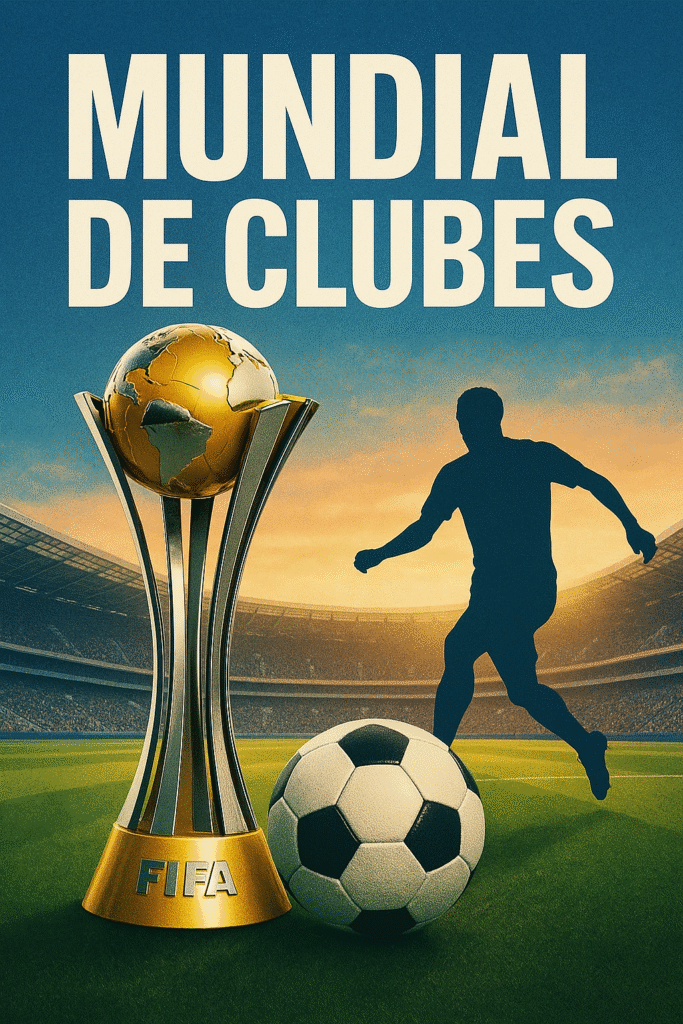
The mundial de clubes—known in English as the FIFA Club World Cup—has grown into one of the most anticipated global football events in modern sports. For fans, it is the ultimate showdown where the best clubs from each continent compete for global supremacy. For teams, it is an opportunity to place their names in football history. And for football enthusiasts around the world, the mundial de clubes offers thrilling matches, world-class talent, and unforgettable moments.
With FIFA announcing the expansion and restructuring of the tournament, worldwide interest in the mundial de clubes has reached new heights. This article explores the history, format, major winners, and future of the competition, while providing valuable insights for fans wanting to stay updated on the modern evolution of this prestigious event.
What Is the Mundial de Clubes?
The mundial de clubes is an international club football competition organized by FIFA. It brings together the champions of each continental confederation:
UEFA (Europe)
CONMEBOL (South America)
CONCACAF (North America)
AFC (Asia)
CAF (Africa)
OFC (Oceania)Additionally, the host nation’s league champion often receives a spot.
Unlike international tournaments featuring national teams, the mundial de clubes showcases elite club squads—the players who spend the entire season playing together, which creates a more fluid, tactical, and high-quality style of football.
History of the Mundial de Clubes
The earliest version of the tournament dates back to the Intercontinental Cup, contested from 1960 to 2004 between the champions of Europe and South America. Although iconic, it did not include teams from Asia, Africa, or North America.
In 2000, FIFA launched the first edition of the mundial de clubes, bringing together clubs from all confederations. After a brief pause, the competition became an annual event in 2005 and continued until FIFA’s latest expansion plan for 2025 onward.
Over the years, the mundial de clubes grew in popularity due to:
Global fan interest
Highly competitive matchups
Inclusion of clubs from developing football regions
Rising quality in international club football
Some of the world’s biggest teams—Real Madrid, Barcelona, Liverpool, Flamengo, Corinthians, Chelsea, and Bayern Munich—have made their mark on the event.
The Format of the Mundial de Clubes
Previous Format (Up to 2023)
For many years, the traditional format featured seven teams:
6 continental champions
1 host nation champion
The structure included play-in rounds, semifinals, and a final.
New Expanded Format (From 2025 Forward)
FIFA has introduced a revolutionary change—the Mundial de Clubes 2025, featuring 32 teams, similar to the FIFA World Cup format. This expansion aims to create a bigger global showcase for club football.
Key features include:
32 world-class teams
Group stage + knockout rounds
More matches, more global attention
Broader representation across continents
This new format significantly increases the prestige, competitiveness, and commercial value of the mundial de clubes.
Why the Mundial de Clubes Is Important
1. Global Recognition
Winning the mundial de clubes places a club on top of the world. It is the only competition that officially crowns a FIFA world champion at the club level.
2. International Exposure
Clubs gain worldwide attention, boosting brand value, fan base, and commercial deals.
3. Clash of Football Cultures
European dominance meets South American passion, combined with the rising strength of African, Asian, and North American clubs.
4. Development of Global Football
The tournament creates opportunities for clubs from emerging football nations to compete at the highest level.
Most Successful Clubs in the Mundial de Clubes
Some clubs have built legacies in the tournament. While records continue to evolve, the following teams stand out:
Real Madrid – One of the most dominant forces with multiple titles
Barcelona – A powerhouse during the Messi / Guardiola era
Corinthians – A Brazilian giant with historic victories
Bayern Munich – A symbol of European strength
Liverpool & Chelsea – Representing the Premier League on the global stage
South American teams, especially from Brazil and Argentina, have been key competitors, though European clubs have typically dominated the modern era.
The Role of South America in the Mundial de Clubes
South America—particularly Brazil—has played a crucial role in the tournament’s history. The combination of talent, passion, and tactical creativity makes CONMEBOL clubs highly competitive.
Teams like:
Flamengo
São Paulo
Santos
Grêmio
River Plate
have produced unforgettable moments and challenged Europe’s giants.
As the expanded 2025 tournament approaches, South American fans are eager to see if their clubs can reclaim global dominance.
How the Mundial de Clubes Impacts Players
For players, the mundial de clubes offers:
A chance to prove themselves on a global stage
Recognition from international scouts and media
Opportunities for individual awards
Momentous achievements that elevate careers
Winning this tournament is often a defining milestone in a player’s legacy.
The Future of the Mundial de Clubes
The future looks extremely promising. With the new 32-team format, the mundial de clubes is expected to become:
One of the biggest football tournaments in the world
A large global media event
A commercial powerhouse for clubs and sponsors
A fan-driven spectacle with worldwide excitement
The 2025 edition will set the stage for a new era in club football.
Why Fans Search for ‘Mundial de Clubes’
The keyword “mundial de clubes” has surged in global search traffic because:
Fans want match schedules, results, news, and participating teams
The new FIFA format has generated global curiosity
Supporters want historical information and tournament analysis
Football websites compete to rank for this trending term
Creating high-quality content around this keyword helps websites rank higher in search engines and attract football fans looking for reliable information.
Conclusion: The Mundial de Clubes Is Entering a New Golden Era
The mundial de clubes is more than just a tournament—it is a celebration of global football excellence. As the competition evolves, it continues to unite football fans, showcase elite talent, and produce unforgettable moments each year.
With the expanded 32-team format, increased worldwide attention, and rising competition across continents, the mundial de clubes is set to redefine the landscape of international club football.
Whether you are a passionate fan, a casual viewer, or a follower of global football trends, the mundial de clubes promises excitement, drama, and world-class action.